As an Amazon Associate I earn from qualifying purchases. Cookware Compass is reader-supported: if you buy through a link on this page we may earn a commission, at no extra cost to you. Read our disclosure.
A stockpot is the biggest pot in most kitchens. It boils pasta for a crowd, simmers bones into stock, and holds a double batch of chili or soup. It doesn’t need to be fancy, but the right size and a few construction details make it much more pleasant to use.
What a stockpot is for
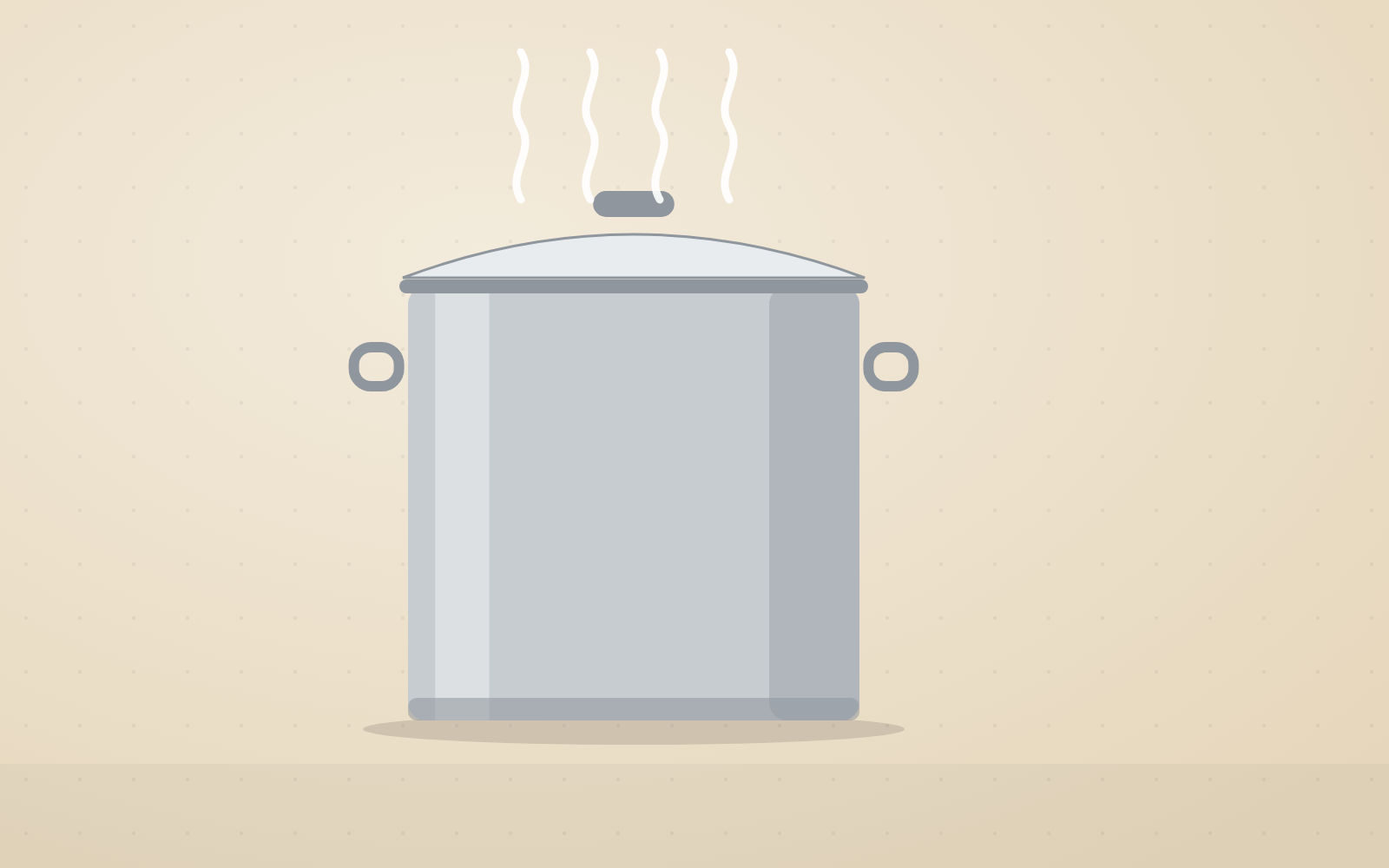
A stockpot is tall and narrow, with two side handles and a lid. The height keeps long simmers from evaporating too quickly, and the narrow shape helps liquid circulate around bones and vegetables. Common uses include:
- Boiling pasta, corn, and potatoes
- Making stock and bone broth
- Large batches of soup, chili, and stew
- Blanching vegetables for freezing
- Steaming seafood such as mussels or crab
Which size?
| Capacity | Good for |
|---|---|
| 6 to 8 quarts | Pasta for 4 to 6 people, soups for a small family |
| 12 quarts | Homemade stock, big batches of soup or chili, pasta for a crowd |
| 16 quarts and up | Canning, seafood boils, very large batches |
An 8-quart pot is enough for most everyday cooking. If you make stock from a whole chicken or cook for gatherings, a 12-quart pot is the more flexible choice. Keep in mind that a full 12-quart pot is heavy, so sturdy handles matter.
Construction: where to spend and where to save
Stockpots mostly hold liquid, which spreads heat on its own. That means you don’t always need the most expensive construction.
- Disc-bottom stainless steel (a thick aluminum disc on the base) works well for boiling water and simmering soup, and costs less.
- Fully clad stainless steel spreads heat up the sides too. That helps when you brown meat or onions in the pot before adding liquid, as you would for chili or stew.
- Thin, single-layer pots are cheapest, but they scorch easily on the bottom and can dent.
Read more about the difference in tri-ply vs fully clad stainless steel.
Details to check
- Handles: large, riveted handles you can grip with oven mitts when the pot is full.
- Lid fit: a snug lid brings water to a boil faster.
- Rim: a tapered or flared rim helps you pour without drips.
- Burner fit: a wide base heats faster on a large burner but may overhang a small one.
- Storage: a 12-quart pot is tall. Measure your cabinet first.
A 12-quart example
The Cuisinart MultiClad Pro 12-quart stockpot is an example of a clad stainless option that handles browning as well as boiling. According to the manufacturer, it is made of 18/10 stainless steel with an aluminum core, has tapered rims for drip-free pouring, and is oven-safe up to 550°F and dishwasher-safe.
Big-batch stockpot
Cuisinart MultiClad Pro Stainless 12-Quart Stockpot with Cover
A good fit if you make stock, cook big batches, or regularly boil pasta for a family.
- 12-quart capacity for stock, soup, and pasta for a crowd
- 18/10 stainless steel with an aluminum core
- Tapered rims for drip-free pouring
- Oven-safe up to 550°F and dishwasher-safe
- Heavy and tall when full, so measure your storage space
- More pot than you need if you mostly cook for one or two
Do you need a stockpot at all?
If you already own a 5.5- to 7-quart Dutch oven, it can handle soups, stews, and smaller batches of pasta. A dedicated stockpot earns its space when you regularly cook larger volumes. See do you need a cookware set? for how a stockpot fits into a basic kitchen.
Quick answers
Can I make stock in a smaller pot? Yes, but you will make less, and you may need to top up the water during a long simmer. A larger pot lets bones stay submerged.
Does a stockpot need a heavy base? For boiling, not really. For browning meat or sweating vegetables before adding liquid, a thicker or clad base prevents scorching.
Can a stockpot go in the oven? Many stainless pots can, but check the manufacturer’s rating for the pot, handles, and lid.
How full should I fill it? Leave a few inches of space at the top, especially for pasta and starchy foods, which foam up as they boil.
Bottom line
Choose 8 quarts for everyday pasta and soup, or 12 quarts if you make stock or cook for crowds. Look for sturdy handles and a good lid. Choose a clad pot if you brown ingredients before adding liquid.